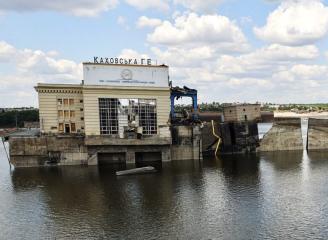
The destruction of Kakhovka HPP is not only a crime against energy infrastructure, but also a large-scale ecocide
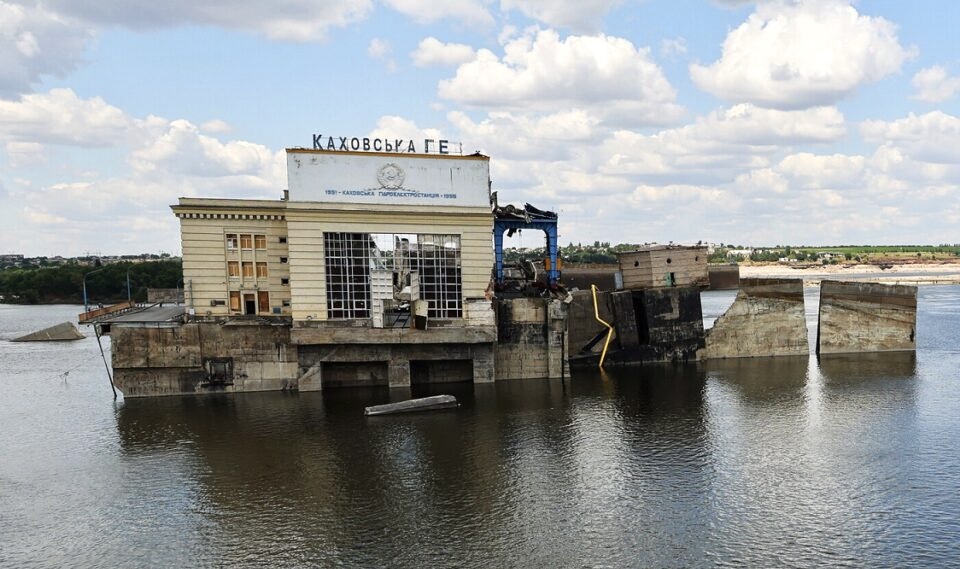
The full-scale aggression of the russian federation against Ukraine has caused not only massive damage to the civilian population but also led to catastrophic changes in the ecological balance of entire regions. One of the largest-scale environmental and technological tragedies was the destruction of the Kakhovka HPP dam on June 6, 2023, which led to the complete draining of the Kakhovka Reservoir — the primary source of water supply for Southern Ukraine.
To understand the ecological consequences of the tragedy, scientists from Kherson State Agrarian and Economic University conducted a comprehensive scientific-sociological study that covered an area of approximately 11 million hectares, including the zone of the former Kakhovka Reservoir, the Dnipro-Bug estuarine system, adjacent irrigated lands, and the Black Sea coast. The analysis was conducted using satellite data from Sentinel-2, Sentinel-3, Landsat 8-9, and results from field surveys.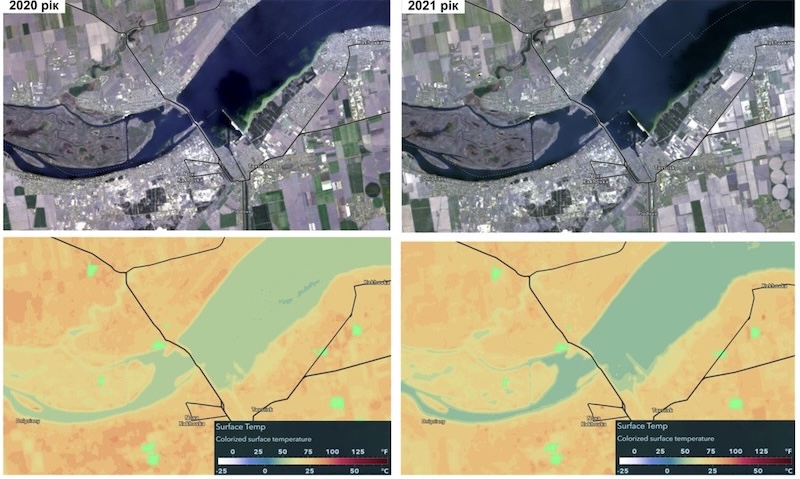
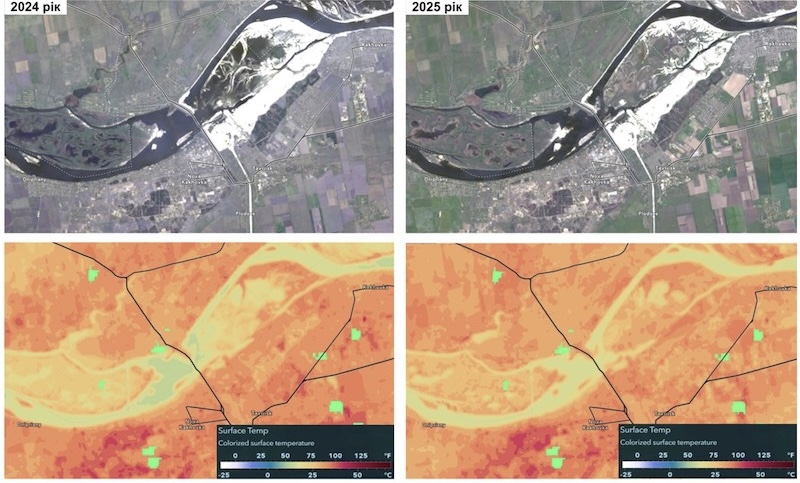
Main Ecological Consequences:
Reservoir Drainage and Degradation of Natural Ecosystems
• By September 2023, the area covered by vegetation was 52,400 hectares. Spring floods in 2024 temporarily flooded about 70% of the drained bed, leading to vegetation growth up to 135,000 hectares (of which 48,000 hectares were woody vegetation and 87,000 hectares were marsh and meadow vegetation).
• In July 2024, due to abnormal heat (+40.5-42°C), mass plant die-off began: 75% of the territory showed signs of degradation, 43.5% showed significant levels of vegetation disturbance.
• In summer 2024, fires were recorded over an area of 320 hectares.
• By the end of April 2025, due to precipitation deficit and lack of snow cover, spring vegetation recovery was suppressed, with plant die-off recorded over an area of 2,000 hectares across 17 locations.
Pollution of the Dnipro-Bug Estuarine System and the Black Sea
• As a result of washing out plant remains and bottom sediments with toxic substances, pollution of a water area of 6800 km² was recorded, particularly in freshwater and marine ecosystems.
• Pollutant concentrations in several locations exceeded permissible values by 1.1-51.8 times.
• Deterioration of the hydrological regime led to water stagnation, increased algae concentration, and excessive chlorophyll accumulation (up to 2.9 times above normal).
• In 2025, the reduction in water discharge volumes from DniproHPP additionally deepened the shallowing of the Dnipro delta.
Climate Change and Agricultural Crisis
• Climate changes were recorded in the Kakhovka Reservoir region: disruption of moisture circulation, reduction of snow cover, and droughts.
• Significant reduction in irrigated land area led to an agricultural crisis in southern Ukraine, loss of crop yields, and farmer income.
• Spring 2025 is critical: a high level of plant water stress is due to a lack of moisture.
Socio-Economic Consequences
• Loss of the reservoir caused the disappearance of water supply for Kherson, Zaporizhzhia, Dnipropetrovsk, and Mykolaiv regions.
• Mass unemployment and migration from agricultural areas where an effective irrigation system previously existed.
• Increased risk of land desertification in the medium-term perspective.
The destruction of Kakhovka HPP is not only a crime against energy infrastructure but a large-scale ecocide, the consequences of which are already being felt and will continue to manifest for decades to come.